
Why Your AC May Not Be Cooling Properly in San Diego, CA
If your home feels warm even though the air conditioner is running, you are not alone. Many San Diego homeowners face this during late-summer heat waves or when marine layer mornings shift to sunny afternoons. This guide explains the top reasons an air conditioner stops cooling well, how our local climate affects performance, and when to bring in a professional. If comfort just cannot wait, schedule fast, professional ac repair with Ventus HVAC.
What “Not Cooling” Looks Like In San Diego Homes
“Not cooling” does not always mean warm air from the vents. In many San Diego neighborhoods, it shows up as long run times that barely lower the temperature, uneven rooms between floors, or the thermostat dropping more slowly than usual in the late afternoon. Homes near the coast may feel clammy because the system lowers temperature but struggles with humidity when the marine layer hangs around.
Inland areas like Mission Valley and East County often see the opposite: the AC blasts cold air at first, then falls behind as the sun loads the home with heat. You might also notice more frequent cycling around dinner time, when the roof and walls are still hot and outside air is finally starting to cool.
How San Diego Weather Affects Cooling Performance
San Diego is famous for mild weather, but our microclimates can challenge even a healthy AC. Coastal neighborhoods like La Jolla and Pacific Beach see salt air and damp mornings; inland zones such as Rancho Bernardo or Santee get hotter, drier afternoons and bigger temperature swings. Those shifts change how hard your system has to work hour by hour.
Late summer and early fall often bring Santa Ana conditions. Hot, dry winds raise attic and duct temperatures and can push indoor loads higher than a spring day with the same thermostat setting. If your system was sized close to the edge, it may struggle during these spikes and look “weak” even though no part has failed.
Common Reasons Your Air Conditioner Is Not Cooling
Several issues can make a strong system act tired. Some are simple, others require a licensed pro. Here are the most common culprits we find across San Diego homes:
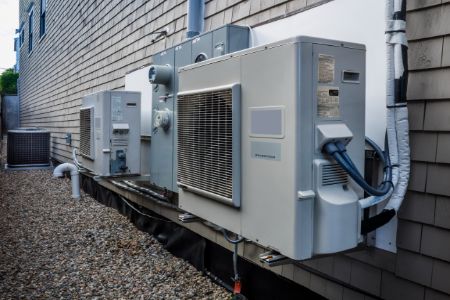
- Dirty outdoor condenser coil that cannot release heat efficiently, especially in coastal areas where salt and fine sand cling to fins.
- Low airflow from clogged return pathways or closed supply grilles that starve the system and reduce temperature drop.
- Leaky or uninsulated ducts in hot attics, which lose cooled air before it reaches the rooms that need it.
- Failing capacitors or contactors that cause the compressor or fan to start weakly or cycle on and off under load.
- Thermostat placement or calibration issues that misread actual room conditions and send the wrong signals.
- Refrigerant problems that reduce heat transfer and can cause evaporator icing under heavy load.
- System sizing mismatch where the AC is too small for current household needs or envelope changes since installation.
Refrigerant issues should only be handled by a licensed HVAC professional. They point to deeper system leaks or component problems that need proper diagnosis and repair.
How To Tell If The Problem Is Urgent
Some symptoms mean you should shut the system down and call right away. Others suggest the unit is safe to run until a technician arrives. Knowing the difference can protect your equipment.
- Warm air from vents for more than 30 minutes during a cooling cycle, especially if outdoor temperatures are moderate.
- Visible frost or ice on refrigerant lines or the indoor coil area.
- Clicking, buzzing, or grinding sounds when the system tries to start.
- Acrid or electrical odors, or an unusual sweet chemical smell near the indoor unit.
- Uneven temperatures that get worse by the hour, not better.
Turn the system off if you smell burning or see ice buildup. That protects the compressor and reduces the risk of bigger damage while you wait for service.
What To Share With Your Technician Before The Visit
You do not need to troubleshoot or open equipment. Still, a few clear details help your tech move faster once on site:
Note when the problem shows up most, such as “between 3 and 6 p.m.” or “after foggy mornings.” Mention which rooms feel warmest and whether the thermostat achieves setpoint overnight. If you noticed longer run times or more frequent starts, say so and estimate how long cycles last. Sharing these patterns helps narrow issues like duct leakage, restricted airflow, or heat-load spikes from west-facing windows.
When To Call A Local HVAC Technician
Any time your home is uncomfortable or your AC’s behavior changes suddenly, it is worth bringing in a pro. In San Diego, the day can go from cool to hot fast, which makes small issues show up as big comfort swings. Do not ignore persistent short cycling; frequent starts stress key components and raise energy use without solving the root cause.
If your AC falls behind every warm afternoon or you notice increasing noise, reach out for help. A seasoned technician can test static pressure, inspect coils and blower components, verify airflow, and confirm refrigerant charge without guesswork. For whole-home needs, explore our residential hvac services or learn about options for offices and storefronts with commercial hvac solutions. If you are comparing providers, start with ac repair in San Diego, CA and look for fast response, clear communication, and strong local reviews.
Coastal Versus Inland: Why Location Matters
Homes near the water face salt air that can corrode outdoor coil fins and fan housings faster. Units in Point Loma, Ocean Beach, or Pacific Beach may need more frequent coil cleaning and protective attention to keep heat transfer efficient. Meanwhile, inland homes in Clairemont, Serra Mesa, or El Cajon often battle hotter attics and longer afternoon load. That can expose weak duct connections or undersized returns that seemed fine in spring but collapse under peak heat.
Your technician will consider these microclimates during testing. That local context often explains why a system “used to be fine” but now falls behind. The fix could be as focused as restoring proper airflow or as strategic as sealing and insulating key duct runs to protect cooled air on the way to your bedrooms.
The Role Of Airflow And Ductwork In Cooling
Airflow is the lifeblood of comfort. Even if your refrigerant circuit is perfect, you will not feel cool if the system cannot move enough air through the coil and into each room. In many San Diego houses, especially mid-century designs or additions, return paths were never sized for today’s equipment. That can leave rooms near the end of the run starved on hot days.
During a service visit, a pro will measure static pressure, inspect the blower wheel, verify motor performance, and check that supply grilles are not overly restrictive. Leaky or uninsulated ducts in a hot attic can also reduce delivered capacity. Sealing the worst leaks and improving insulation where it matters most can make the system feel new again without replacing major components.
Electrical Components That Can Mimic Bigger Problems
Capacitors, relays, and contactors are small but essential. When they fail or weaken, the compressor or fan may start slowly, overheat, or click repeatedly. That looks like a bad compressor to many homeowners, but often it is a simple part replacement once a tech tests the circuit and verifies amperage under load.
Left alone, these symptoms can escalate into compressor damage. Quick testing protects your investment and restores cooling faster than guessing or letting the system struggle on hot afternoons.
Thermostat And Sensor Issues
Thermostats mounted near sunny windows, lamps, or kitchens can misread temperature and cycle the system at the wrong times. Wireless sensors that drift out of calibration also send mixed signals. A professional can relocate or recalibrate controls and confirm they match actual room conditions. That small change can bring rooms back into balance without touching the sealed refrigerant system.
Maintenance That Protects Your Cooling Season
Regular, professional tune-ups help spot small problems before they interrupt your day in August or September. Coil cleaning, electrical testing, and a deep airflow check keep capacity high when you need it most. Schedule service before the first heat wave so your system is set for long afternoon runs and cool coastal nights.
When performance drops, most homeowners choose expert ac repair over guessing. A targeted repair often restores comfort the same day and can extend equipment life by preventing stress on the compressor and blower.
What To Expect From Ventus HVAC
From your first call to the final temperature check, our focus is fast, clear communication and lasting fixes. We start with a conversation about symptoms and timing, then perform a focused diagnostic so you know exactly what is happening and why. We explain options in plain language and help you choose a solution that fits your home and comfort goals.
If your home has unique needs because of its location or layout, we will tailor the approach. Coastal homeowners often benefit from protective steps that keep outdoor coils clean longer. Inland homeowners may gain more from duct improvements that preserve cooling on long runs to upstairs bedrooms. Either way, our goal is a reliable, even cool you can count on when the forecast climbs.
Your Next Step To Get Comfortable Again
If your AC is not cooling and you want dependable help today, call Ventus HVAC at 619-871-9381. We will get you on the schedule, share a clear arrival window, and restore your comfort with proven diagnostics and repairs. You can also start here to request service for prompt, professional ac repair anywhere in San Diego.
Get A Free Quote
Our Services




HVAC Services Near You
When you need dependable HVAC services, Ventus HVAC is proud to serve communities throughout the greater San Diego area. Our skilled technicians provide expert heating, cooling, and indoor air quality solutions for both residential and commercial properties. Whether you're in the city or surrounding neighborhoods, we're always nearby and ready to help with prompt, professional service. From installations and repairs to routine maintenance, our local team ensures your comfort wherever you are.