
Why Is Your Air Conditioner Running But Not Cooling Your Home?
When your AC hums along but the house still feels warm, it is frustrating and uncomfortable. This problem is common across San Diego, from breezy coastal condos to warmer inland homes. If your system keeps running without dropping the temperature, it is time to understand what might be happening and how a pro can get your comfort back. For homeowners who want fast help, learn how our local team handles ac repair with careful diagnostics and reliable fixes.
In this guide, we focus on the most frequent reasons an air conditioner runs but won’t cool, what warning signs to watch for, and when to bring in a licensed HVAC technician. You will also see how climate patterns in San Diego, CA affect performance during marine layer mornings, late-summer heat, and Santa Ana events.
How San Diego Weather Affects Your AC
San Diego’s microclimates create very different cooling demands. La Jolla and Pacific Beach often deal with salty air and morning fog, while inland areas such as Mission Valley, Serra Mesa, and parts of East County see hotter afternoons that keep systems running longer. High humidity days can make a home feel warmer even when the thermostat shows your setpoint, so your AC may run more often to remove moisture as well as heat.
Homes built with older single-pane windows, sun-facing rooms in North Park or Clairemont, or insufficient attic insulation can also push a system to its limits. If the AC seems to run endlessly on hot afternoons but cannot keep up, the issue could be a performance problem inside the equipment or a mismatch between your home’s needs and the system’s capacity.
Common Reasons Your AC Runs But Doesn’t Cool
Several issues can make an air conditioner appear to work while cool air never reaches your rooms. A licensed HVAC technician will test for the following causes and confirm what is happening inside your system.
Restricted Airflow
Air needs a clear path through the return, the indoor coil, the ductwork, and the supply registers. When that path is blocked by buildup on the evaporator coil or debris in ducts, the system moves less air and your rooms stay warm. Restricted airflow can also freeze the indoor coil, which makes cooling even worse once ice forms.
Thermostat or Sensor Problems
If the thermostat or onboard sensors read room temperature incorrectly, the system may continue to run without satisfying the setpoint. Placement near a sunny window, heat-generating appliances, or drafts can skew readings and keep the unit operating with poor results.
Low Refrigerant or Refrigerant Leaks
Refrigerant carries heat out of your home. When levels are low due to a leak, the system cannot absorb and move enough heat, so the AC runs and runs while rooms remain warm. Handling refrigerant requires EPA-certified professionals who can find leaks, repair them, and recharge to proper levels.
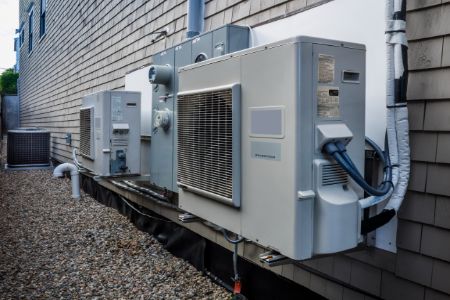
Dirty or Damaged Outdoor Condenser
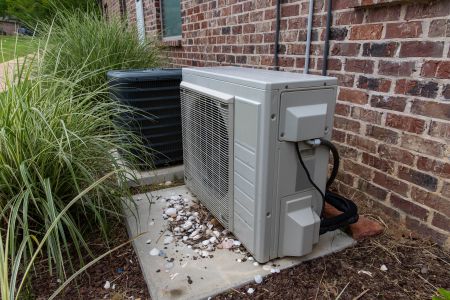
The outdoor unit needs to release heat into the air. If fins are bent or clogged with cottonwood fluff, dust, or coastal salt, heat cannot escape and the system loses capacity. In neighborhoods near the bay or ocean, salt exposure can speed up corrosion that affects performance.
Electrical or Control Board Issues
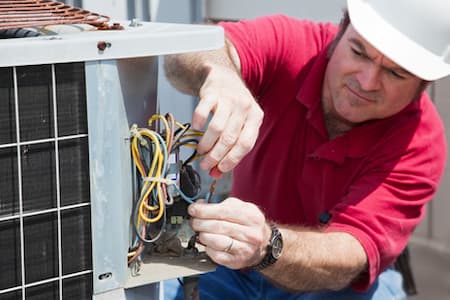
Modern systems rely on control boards, contactors, and sensors to sync indoor and outdoor components. Faulty parts can leave the fan running while the compressor cycles off, which feels like the system is on but not cooling.
Duct Leaks and Imbalances
Leaky or unbalanced ducts lose conditioned air into attics or crawl spaces and pull hot air from outside into the system. The AC may operate constantly, yet very little cold air reaches living spaces.
Warning Signs It’s Time To Call an HVAC Pro
Not every symptom looks dramatic, but several clues point to a problem that needs professional attention. If you notice any of the following, schedule service before the issue grows into a major breakdown.
- Supply vents feel weak or room temperatures vary a lot between floors or rooms.
- The outdoor unit is loud, rattling, or cycling on and off rapidly.
- Ice on refrigerant lines or the indoor coil area, or condensate water around the air handler.
- Short cycling that starts and stops every few minutes without cooling the home.
- Unusual smells from vents, especially burning or chemical odors.
Burning or acrid smells signal an urgent problem that can damage components if ignored. Quick action protects your compressor and avoids longer outages during a San Diego heat wave.
Local insight: During late-summer heat and Santa Ana winds, attic temperatures can soar and strain older ACs across inland San Diego. A system that runs nonstop but never meets the setpoint may be undersized for your home’s load; a licensed HVAC pro can assess capacity and airflow to restore dependable comfort.
How Pros Diagnose “Running But Not Cooling”
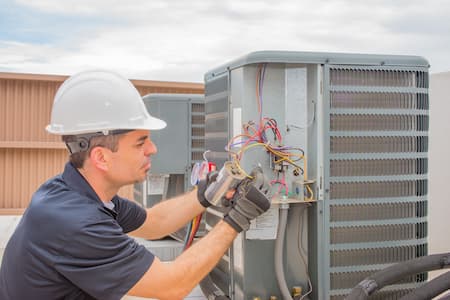
To pinpoint the cause, trained technicians move step by step through the system. They measure temperature split across the indoor coil, check static pressure to evaluate airflow, test electrical components, verify refrigerant charge by superheat and subcooling, and inspect duct integrity. This process finds the root issue so the fix restores both efficiency and comfort.
In coastal neighborhoods, techs also look for salt-related corrosion and clogged fins on condensers. Inland, they may uncover overheating due to inadequate ventilation in equipment closets or return restrictions that show up only on the hottest afternoons.
Why This Problem Shows Up More In San Diego, CA
San Diego homes come in many styles, and each presents unique cooling challenges. Classic mid-century homes in Point Loma may have older ducts in tight crawl spaces. Townhomes in Mission Valley often have longer vertical duct runs that magnify small airflow issues. Add in microclimates and seasonal humidity shifts, and a system that once felt fine can start running longer without cooling well.
Local living patterns matter too. If you work from home with heat-producing electronics or have big west-facing windows, afternoon loads climb quickly. Without the right airflow, charge, and controls, your AC will operate constantly and still leave rooms warm.
What You Can Expect From A Professional HVAC Visit
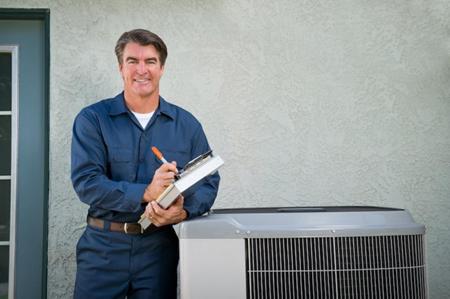
When you schedule ac repair with Ventus HVAC, a licensed technician arrives with the tools and training to evaluate the whole system. They will confirm the problem, document findings, and explain options in plain language. If parts or adjustments are needed, they aim to restore cooling the same visit whenever possible.
Delaying service can turn a small performance loss into compressor damage, especially during hot spells. Fast, professional care helps protect your system and your comfort.
When It’s An Emergency
Sometimes the issue cannot wait. Certain warning signs point to a problem that risks further damage or comfort loss if left alone.
- No cooling during a heat advisory or with vulnerable family members at home.
- Persistent breaker trips or strong burning smells from the air handler or outdoor unit.
- Ice forming repeatedly after previous thaw periods, or water around the indoor unit.
Breaker trips and strong burning odors are safety concerns that need a qualified technician right away. Ventus HVAC offers emergency AC service in San Diego so you are not stuck in the heat.
Simple Ways To Reduce Strain Without DIY Fixes
You do not need to tinker with your equipment to protect it. Keep interior doors open during peak cooling hours so air can circulate through main areas, and use blinds or curtains on west-facing windows in the late afternoon. If certain rooms are consistently warm, mention these areas to your technician so they can test airflow and duct balance during the visit.
For long-term reliability, ask about seasonal maintenance plans that include coil cleaning, performance testing, and documentation. Consistent care helps catch refrigerant and airflow problems early and supports steady cooling during hot weeks.
Realistic Outcomes After A Professional Repair
Once the root cause is corrected, homeowners usually notice stronger airflow, shorter run times, and steadier room temperatures. Energy use often evens out too, since systems are no longer fighting restrictions or control issues. If your home has comfort challenges like sun-heavy rooms or older insulation, a technician can suggest targeted improvements that support the repaired AC without major renovations.
Your Next Step For Reliable Cooling In San Diego
If your air conditioner is running but not cooling, skip the guesswork. Visit our homepage to learn more about ac repair in San Diego, CA and what sets Ventus HVAC apart as a local HVAC partner. When you are ready, call us at 619-871-9381 to schedule an appointment with a licensed pro who understands our city’s climate and housing styles.
Get Fast, Professional Help Today
Warm rooms, rising humidity, and nonstop run times are all signs your system needs attention. Our team provides clear diagnostics, honest recommendations, and dependable workmanship backed by local experience. For prompt service and year-round comfort, reach out to Ventus HVAC and get your cooling back on track with expert care from a trusted HVAC team in San Diego.
Ready for relief? A licensed technician is one call away at 619-871-9381, and you can get started with a convenient appointment by exploring our dedicated page for residential ac repair.
Get A Free Quote
Our Services




HVAC Services Near You
When you need dependable HVAC services, Ventus HVAC is proud to serve communities throughout the greater San Diego area. Our skilled technicians provide expert heating, cooling, and indoor air quality solutions for both residential and commercial properties. Whether you're in the city or surrounding neighborhoods, we're always nearby and ready to help with prompt, professional service. From installations and repairs to routine maintenance, our local team ensures your comfort wherever you are.